
The DESSINART COLLECTION
Description
Title
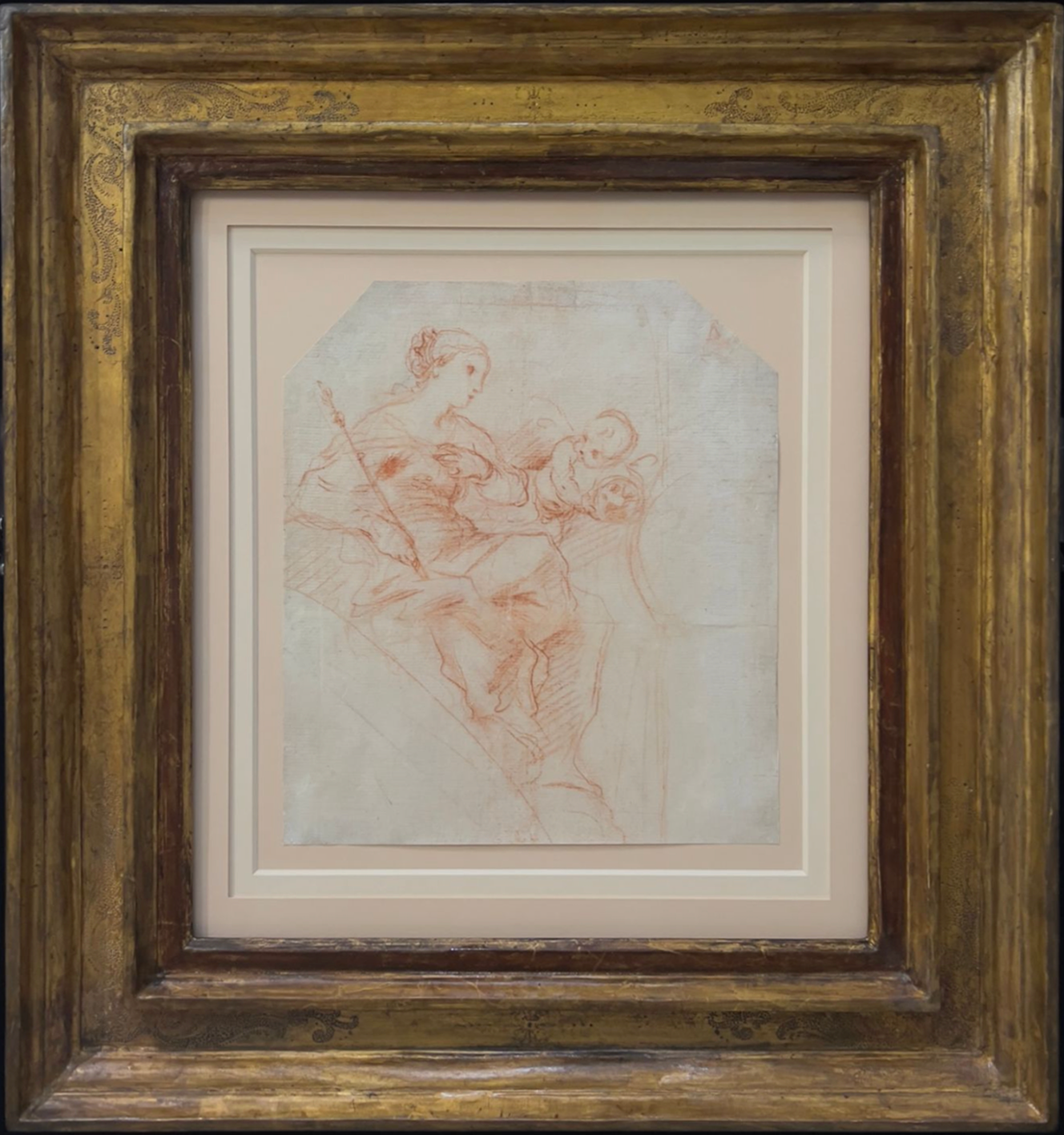
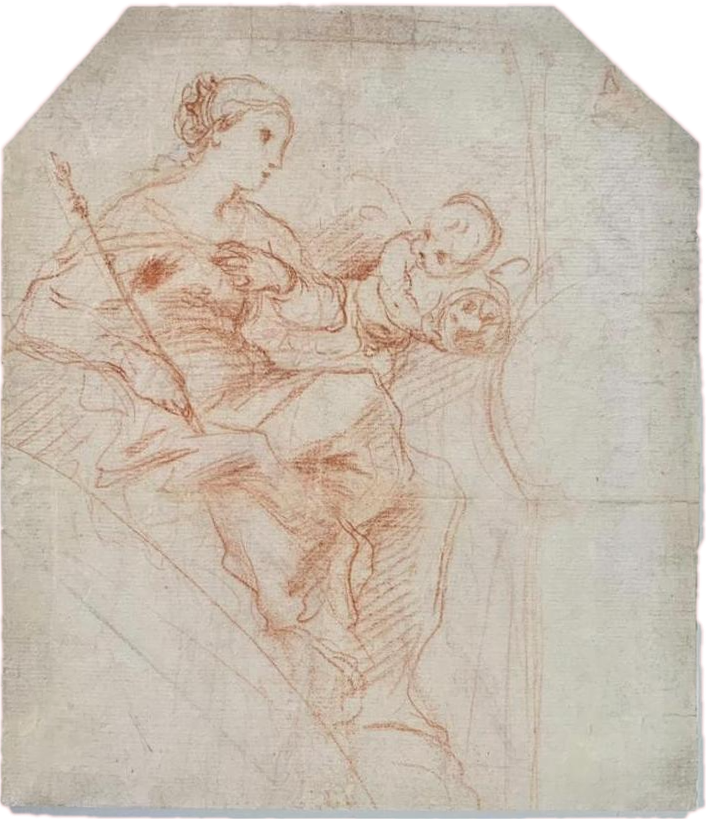
Recto - Venus and Cupid This is the preparatory drawing for The Raphael's rooms(Stanze di Raffaello) in the Vatican Museums Verso - ?
Attribution
Workshop of Raphael; attributed to Polidoro da Caravaggio
Medium
Red chalk on laid paper, and the corners cut (upper left and right).
Dimensions
Sheet: L. 21,50 cm. | W. 18,60 cm.
Inscriptions
Unsigned; no visible inscriptions or markings.
Documentation
Provenance
Further provenance research is ongoing to clarify the undocumented period prior to the 2024 sale.
Exhibition
No exhibition history currently known.
Literature
No documented literature, bibliography, or publication records have been identified to date.
Digital Archives
Technical Imaging
Visible Light
Visible Light imaging records the artwork under normal white light, corresponding to what the human eye can see. It is used to document the current visual appearance of the object, including colour, surface condition, losses, cracks, retouching, inscriptions, and other visible details.

Ultraviolet
Ultraviolet examination uses UV radiation to observe fluorescence on the surface of an artwork. It is commonly used to identify varnish layers, later retouching, restorations, overpaint, adhesives, and certain surface materials that may fluoresce differently from the original paint or support.
Infrared
Infrared imaging uses infrared radiation to penetrate certain paint layers and reveal features not visible in normal light. It is often used to study underdrawings, compositional changes, hidden inscriptions, earlier restorations, or carbon-based drawing materials beneath the surface.
X-Radiography
X-Radiography uses X-rays to examine the internal structure of an artwork. It can reveal the construction of the support, canvas weave, panel joins, nails, damages, previous repairs, dense pigments, hidden compositions, and changes made during the painting process.